Supported Living

iBC’s Supported Living services, reflect our belief that everyone deserves the right level of support in their own home in the community, no matter how complex their needs may be. #homesnothospitals

Our supported living services provide specialist support to individuals 18+ who may have a learning disability, autism and/or complex needs to include behaviours that challenge. Building on people’s existing strengths, interests and skills, we use therapeutic support models such as intensive interaction and trauma informed care, to not only meet but exceed potential.

iBC Healthcare offer bespoke properties to include solo bungalows and single occupancy apartments within a hub and spoke model, to ensure high quality care services in line with people’s particular needs, wants and wishes. These properties are refurbished in line with iBC Healthcare’s robust build specification to include spacious wetrooms, integrated modern kitchens and functional spaces lead by Design By Autism as standard. iBC will also work closely with an individual’s MDT to incorporate bespoke property works such as anti-ligature, anti barricade and other particularly robust specifications tailored to peoples needs and the risks they may present.

Our ethos is to provide safe and functional spaces in line with Good Autism Practice, with the people we support at the very centre. iBC believe that all behaviour is a form of communication that our robust accommodation is designed to withstand; enabling our operational colleagues to focus their efforts on helping the people we support to achieve real dreams and goals.

User Guide

Community Support Supported Living at IBC Healthcare

Contents

What is Supported Living?

iBC Healthcare’s supported living service is designed for individuals with significant and unique challenges which may include physical disabilities, mental health conditions, learning disabilities, or behaviours that challenge. Instead of living in institutional or hospital environments, individuals receive tailored support in their own homes, designed and provided by iBC to meet their complex needs and address the risks associated with challenging behaviours.

This approach ensures that support is person-centred, flexible, and built around each individual’s preferences and aspirations, wherever it is safe and possible.

Our approach aligns with the NHS ‘Building the Right Support’ and ‘Transforming Care’ agendas, which focus on reducing reliance on secure or inpatient settings and ensuring that people receive the right care, in the right place, at the right time.

We believe that true independence isn’t about doing everything alone, it’s about having the right support at the right time. Through person-centred planning, individuals are encouraged to participate in daily tasks, make meaningful choices, and engage with their communities. Together, we are building #HomesNotHospitals, creating spaces where everyone can thrive on their own terms.

Why Homes in the Community Matter

Living in a home within the community provides far more than just a roof over one’s head — it offers opportunities for connection, independence, and a sense of belonging.

Whether someone is transitioning from a family home, a residential service, or stepping down from a hospital or secure inpatient setting, supported living environments empower individuals to:

  • Build meaningful relationships
  • Make choices about their own lives
  • Access local services and pursue personal goals
  • Live closer to their loved ones
  • Receive the care and support they need and deserve

Hospitals and secure inpatient units are not designed to meet long-term social, emotional, or developmental needs. At iBC Healthcare, we believe that everyone — regardless of the complexity of their needs — deserves to live in a safe, comfortable, and nurturing environment filled with the everyday luxuries that many of us take for granted.

Seeing our loved ones. Feeling safe. Eating what and when we want. The freedom to choose. Doing what we love. Being understood. These aren’t extras, they’re what home means.

Personalised Support

1:1 Support – What It Enables

Whether a person requires 1:1, 2:1, or higher ratios of support, our dedicated teams create a safe, consistent, and nurturing environment. These support structures empower individuals to build confidence, develop skills, and make choices about their daily lives while maintaining safety. With focused attention, our support staff can adapt their approach to suit each individual — ensuring they have the space and encouragement to thrive.

Empowering Autonomy at Home

Our support staff empower individuals in their homes, enabling them to take ownership of their living space and daily routines. From assisting with meal preparation and grocery shopping to supporting household tasks, our teams provide the right level of assistance to foster as much independence as possible. We work collaboratively to co-produce bespoke activity plans that reflect each person’s preferences, strengths, and interests.

Bespoke Activity Plans and Realistic Goals

Every person we support has unique ambitions, and our role is to help turn those aspirations into achievable milestones. Together with the individual, their family, and their wider support network, we create bespoke activity plans with clear, realistic, and achievable goals — whether that’s learning a new skill, engaging in community activities, or spending more time with loved ones.

Tailored Daily Routines

Daily routines are not one-size-fits-all. We work closely with the people we support to design each day around their preferences, likes, and interests — ensuring their routine feels natural, enjoyable, and fulfilling. Whether someone prefers quiet mornings with a cup of tea, a bustling day out in the community, or creative hobbies at home, we provide ample opportunities for individuals to spend their days how they wish.

Getting to Know the Person

Understanding what people enjoy and what they may find challenging is at the core of everything we do. From the way individuals shop for groceries to planning weekends and excursions, we take the time to learn about every detail that matters. These preferences aren’t just respected — they’re celebrated.

Collaborative Partnerships

We believe the best outcomes are achieved through collaboration. Our support plans are developed in partnership with the individuals we support, their families, social circles, and professional networks. This ensures consistency, transparency, and a shared commitment to creating opportunities that align with their vision of a fulfilling life.

Opportunities for Growth and Fun

Life is all about experiences. We actively seek opportunities for individuals to engage in vocational activities, join community clubs, enjoy days out, and participate in hobbies they love. Our team listens closely to feedback and makes adjustments to ensure every activity brings joy, satisfaction, and personal growth.

At iBC Healthcare, the people we support are always at the centre of every decision — no matter how big or small.

Our Properties

At iBC Healthcare, we are committed to providing high-quality, purpose-built apartments, houses, and bungalows that offer supportive environments designed to meet the unique needs of the people we support. Our approach goes beyond just delivering support services — we focus on creating secure, comfortable, and empowering homes where individuals can truly thrive.

Purpose-Built for Every Need

iBC works with developers and landlords to ensure properties are thoughtfully designed to accommodate a wide range of needs. From wheelchair-accessible layouts and assistive technologies to enhanced fixtures and specialised adaptations, every home is crafted with care and consideration. These features not only ensure safety and functionality — they create spaces where people can truly be themselves.

Adaptations are identified and agreed with a person’s professional network prior to moving, with additional funding pathways in place on an individualised basis.

A Home for Life

At iBC Healthcare, we believe a home should be just that — a home for life, or for as long as a person wants it. Like any standard tenancy, our homes empower individuals with the right to make choices about their living spaces, encouraging people to personalise and make their homes truly their own. Whether it’s decorating a bedroom, arranging a living space, or simply enjoying the privacy and security of their own front door — people are given the freedom and respect they deserve.

Separation of Housing and Support Services

A key aspect of our approach is the clear separation between housing provision and support services. Tenancies are managed independently by regulated and trusted social landlords — meaning individuals have legal security and peace of mind knowing their home is theirs, regardless of any changes to their care or support arrangements.

Regulated and Trusted Social Landlords

All tenancies are managed by reputable, regulated social landlords who are responsible for property management, maintenance, and tenancy agreements. This professional oversight ensures homes are safe, well-maintained, and compliant with all housing regulations — and provides residents with a clear point of contact for any housing-related matters.

Rents & Housing Benefit

In supported living, individuals will have a tenancy agreement with a trusted social landlord, which must be signed by the tenant or an allocated representative. Just like any rented property, tenants are responsible for paying rent — whether they live in a self-contained apartment or a bespoke, solo-adapted property.

Many tenants rely on Housing Benefit (or the housing element of Universal Credit) to cover rent costs, which are typically enhanced for complex care needs.

What is Enhanced Rent?

Enhanced rent reflects the additional costs associated with providing specialist housing and support services tailored to individuals with complex physical, mental health, or behavioural needs. It covers:

  • Specialist adaptations
  • Enhanced build specifications
  • 24/7 support infrastructure
  • Maintenance of specialist features
  • Increased property costs

How is Enhanced Rent Funded?

Individuals with complex care needs can apply for Housing Benefit or Universal Credit (Housing Element) at an enhanced rate. A social care professional will assess a person’s eligibility on an individual basis, typically before referring them to a specialist supported living provider.

The social landlord will often support the application process with the Housing Benefit department. However, it is the responsibility of the tenant, their representative, and/or financial appointee to submit the correct documentation.

What is Exempt Accommodation?

Exempt accommodation refers to housing where rent exceeds standard local housing allowance rates, due to the additional specifications, adaptations, and facilities required to accommodate complex support needs.

Who to Contact

Once a move is agreed upon, iBC Healthcare will introduce tenants to their social landlord, who can be contacted for any questions regarding rental tenancies and the housing application process. Tenants, their representatives, and/or financial appointees should refer to their individual tenancy agreements whenever needed.

Council Tax

Council Tax Exemption

Council tax exemptions exist to ensure fairness and provide financial relief to individuals or properties that meet specific criteria. Individuals who are considered vulnerable due to severe mental impairment (SMI) or disabilities are often exempt. Properties used specifically for supported living services often qualify because they are classified as care-related accommodation.

Applying for Council Tax Exemption

When applying for a council tax exemption or discount, tenants or their representatives will need to complete specific forms and provide supporting documentation. The process may vary slightly depending on the local council, but general requirements remain consistent across the UK.

Steps to apply:

  1. Obtain the relevant council tax exemption forms from the local council’s website or by phone
  2. Gather all required supporting documents
  3. Complete the forms — seek assistance from relevant professionals if needed
  4. Submit to the local council online, by post, or in person
  5. Await written confirmation of the exemption or discount

Tenants or their representatives should contact the local council directly to ensure exemptions or discounts are applied correctly.

iBC’s Role

Upon agreement of a move to one of our properties, we ensure that tenants, their representatives, and/or financial appointees are aware of their responsibility to apply for council tax exemption. iBC Healthcare will provide support with documentation and correspondence if required.

For more information, visit: www.gov.uk/apply-for-council-tax-discount

Furnishing Your Home

Social care tenancies are offered unfurnished — much like standard rental properties. Tenants are responsible for bringing everything they need to make their home comfortable and functional, allowing them to tailor their living space to their own preferences and style.

Items Tenants Are Responsible For

  • Curtains or window coverings (including installation of fittings such as curtain poles)
  • Large furniture items (e.g. beds, sofas, wardrobes)
  • Towels and bath mats
  • Bedding (e.g. duvets, pillows, sheets)
  • Small kitchen appliances (e.g. kettle, toaster, microwave)
  • Crockery, cutlery, and cooking utensils
  • Decorative items (e.g. rugs, lamps, artwork)
  • Personal items

What iBC Provides

iBC Healthcare provides essential white goods as standard, including:

  • Fridge/freezer
  • Oven
  • Induction hob
  • Washer-dryer

These appliances reduce initial setup costs and help facilitate a smooth transition into a new home.

Grants and Funding Support

Grants and setup funding may be available on an individual basis. We encourage families and social care professionals to explore these opportunities to ease the financial burden of setting up a new home.

Temporary Start-Up Support

As a last resort, iBC Healthcare can offer a temporary start-up furniture and furnishing pack, provided on a charge-back basis once funding pathways are in place. This ensures there are no unnecessary delays for individuals who need to move in a timely way. For more information, please contact your iBC representative.

Property Maintenance

Ensuring a safe, comfortable, and well-functioning living environment is essential. iBC Healthcare has robust systems in place to address damage and repairs urgently, minimising disruption to daily life.

Landlord Responsibilities

The landlord is responsible for statutory compliance, including:

  • Structural integrity and exterior maintenance (walls, roof, and external doors)
  • Drains, pipework, and gutters (where faults are not due to tenant misuse)
  • Installations for utilities including gas, water, and electricity
  • Boilers and heating systems (where faults are not due to tenant misuse)
  • Repairs resulting from fair wear and tear
  • Maintenance of communal areas, emergency lighting, safety systems, and shared facilities

Tenant Responsibilities

The tenant (or their representative) is responsible for:

  • Reporting damage or required repairs promptly, in line with the tenancy agreement
  • Taking reasonable care of the property and preventing damage or neglect
  • Covering costs for repairs resulting from misuse, damage, or neglect
  • Ensuring their living space remains clean and well-maintained

Emergency Repairs

Please refer to the tenancy agreement for the emergency maintenance support protocol. If maintenance services are unavailable through the registered landlord and the tenant is unable to arrange their own repairs urgently, iBC Healthcare can — as a last resort — coordinate repairs to ensure timely resolution and minimal disruption to support delivery. Costs for emergency repairs caused by tenant damage or misuse will be recharged accordingly.

Gardening and Window Cleaning

  • Cluster/apartment services: The landlord is responsible for gardening and window cleaning.
  • Standalone properties: The tenant is responsible for maintaining private gardens and arranging window cleaning, unless otherwise stated in the tenancy agreement.

Bills & Utilities

Stand-Alone Homes

In social supported living, utility bills are the responsibility of the tenant, supported by their appointed representative on an individual basis. As a care provider, iBC Healthcare is not actively involved in managing or overseeing utility bills — this mirrors any standard rental tenancy.

A utility provider will be set up for the property prior to the tenant moving in. It is then the tenant’s (or appointee’s) choice whether to continue with the existing provider or switch. The responsibility for ensuring bills are paid on time lies entirely with the tenant or their appointed representative.

From a support perspective, we assist individuals in managing their homes effectively and within their budgets. This may include implementing tools such as smart meters, supporting efficient use of central heating, and encouraging responsible water usage.

Apartments and Cluster Homes

Utility arrangements may differ for apartments and cluster homes. In some cases, utilities are shared and monitored using sub-meters, while in others, each unit will have its own supplier contracts. Where sub-meters are in place, iBC Healthcare will invoice tenants quarterly based on individual usage, ensuring fair and transparent billing.

TV Licence

Tenants and/or their financial representatives are responsible for obtaining a valid TV licence and ensuring it remains paid in compliance with legal requirements.

Internet

All iBC Healthcare properties are equipped with a TP-Link router, providing internet access for the first 30 days. After this initial period, it becomes the responsibility of the tenant or their appointed representative to arrange an ongoing internet service and cover the associated costs. In apartment services, a shared internet supply may be available.

Other Bills and Commitments

Tenants are fully responsible for managing and covering the costs of their personal bills and financial commitments, including:

  • Entertainment services
  • Mobile phone contracts and/or home landline
  • Streaming subscriptions
  • Other discretionary expenses

Daily Expenses

In supported living, individuals are responsible for managing their daily expenses using their personal budgets and eligible benefits. This is designed to empower individuals to live independently and make choices that align with their preferences and needs.

Personal Budgets and Eligible Expenses

Personal budgets and benefits should cover both essential and lifestyle-related expenses, including:

  • Public transport — including costs for accompanying staff when necessary
  • Fuel costs — for personal vehicles, if owned by the individual
  • Activities and holidays — enabling individuals to enjoy leisure activities and travel
  • Groceries and meals out — covering daily sustenance and dining experiences
  • Personal items — such as toiletries, clothing, and cleaning products
  • Personal care — including haircuts, nail appointments, and other grooming needs

If an individual wishes or requires their supporting staff to accompany them for meals, activities, or other outings, they will be responsible for covering the associated costs of the staff’s attendance.

Collaborative Budget Planning

Activity and budget plans are developed collaboratively, involving the individual, their family, and relevant professionals. To simplify financial management, prepaid cards are often used — allowing individuals direct access to their funds while enabling iBC Healthcare to provide oversight and budgeting support.

Autonomy and Quality of Life

This financial model differs from all-inclusive residential care settings. In supported living, individuals have the autonomy to make choices about their spending — promoting independence and enabling them to lead fulfilling, self-directed lives.

Moving In

Moving into your new home is an exciting step, and we’re here to ensure the transition is as smooth and stress-free as possible.

Medication and Healthcare Needs

  • Ensure you have at least four weeks’ supply of medication (TTOs) ready for your move
  • You will be registered with a local GP on the day of your move to ensure continuity of care

Transport Arrangements

  • Transport to your new home is the responsibility of your current care provider, family, or representatives
  • Your iBC support team will be ready to welcome you upon arrival and assist with settling in

Furnishing Your Home

  • Your property should be suitably furnished before your move-in day
  • If you have furniture or large items being delivered, please liaise with iBC in advance so someone is available to receive them

Preparing the Property

  • If you, your family, or representatives need access to the property to set up furniture, decorate, or make adjustments, iBC can provide access to facilitate these preparations
  • A deep clean of your home will be arranged by iBC prior to your arrival
  • Your support team will assist with setting up your home, including labelling keys, setting up bedding, and storing away personal items

Food and Groceries

Please ensure there is a grocery shop or scheduled grocery delivery arranged for your move-in day. Having everything set up in advance will help ensure a smooth transition and a warm welcome.

Personal Touches

Feel free to bring along personal items, photographs, or familiar belongings before moving in — to create a warm and welcoming environment from day one.

Welcome home.

Assessing Individual Needs

Before any placement begins, we carry out a thorough assessment to make sure we can safely and effectively meet an individual’s needs. This process protects the person we support, gives families confidence, and gives commissioners clarity from the outset.

Referral and Initial Screening

When a referral is received from a local authority, integrated care board, or other commissioning body, our team conducts an initial screening to understand the individual’s primary needs, risks, and preferences — and whether our service model is a suitable match.

Comprehensive Needs Assessment

If the initial screening is positive, we carry out a detailed needs assessment drawing on all available documentation including care plans, risk assessments, psychological reports, and health action plans. We also seek input directly from the individual, their family, and their current care providers wherever possible.

Compatibility and Environment Matching

We consider whether the individual would be well-suited to others already living in our homes, and assess environmental factors, staffing requirements, and whether any specialist adaptations or additional training would be needed.

Multi-Disciplinary Collaboration

Our assessment process involves working closely with social workers, community mental health teams, Positive Behaviour Support specialists, and other relevant professionals to build a complete picture of each individual’s needs.

Transition Planning

Where we agree to accept a placement, a detailed transition plan is developed in collaboration with all parties. This may include familiarisation visits, phased moves, and the development of a bespoke support plan before the individual moves in — so that day one feels like home, not a handover.

If We Are Not the Right Fit

If we determine that we cannot safely meet an individual’s needs, we will say so clearly and explain why. Where possible, we will signpost to more appropriate services. Honesty at this stage is part of how we protect the people we support.

What We Cannot Support

iBC Healthcare works with individuals with highly complex needs, and we are proud of the breadth of support we can provide. Being transparent about our limits is equally important.

Our supported living service may not be the right fit where:

Primary Substance Misuse Needs

Where an individual’s primary need relates to active substance misuse or addiction requiring specialist detox or rehabilitation, we would not be the most appropriate provider. We can, however, support individuals with a dual diagnosis where substance misuse is secondary to a learning disability or mental health condition.

Acute Mental Health Crisis Requiring Hospitalisation

If an individual requires immediate inpatient psychiatric care or is subject to detention under the Mental Health Act, our community-based model would not be appropriate until they are ready for discharge and step-down support.

Nursing or Clinical Interventions Beyond Our Scope

iBC does not provide registered nursing care. Individuals requiring 24-hour nursing interventions, ventilator support, or complex clinical procedures would need a service with on-site nursing provision.

Risk to Others That Cannot Be Safely Managed in the Community

Where a risk assessment indicates an individual presents an immediate and serious risk to the safety of others that cannot be managed in a community setting, alternative provision may be required until those risks are reduced.

Individuals Not Eligible for Social Care Funding

Our services are typically commissioned by local authorities or integrated care boards. Where an individual does not meet eligibility criteria for funded support, we may not be able to accommodate them unless alternative funding arrangements are in place.

If you are unsure whether we can meet a particular need, please get in touch — we are always happy to have an honest conversation and signpost to other services where we are not the right option.

Family Communication

At iBC Healthcare, we value open, transparent, and regular communication with families and loved ones. We understand how important it is for families to stay informed about the care and well-being of those we support.

Contacting the Support Team

  • Families can contact the support team via phone (if a landline has been set up) or email
  • Contact details for key staff members will be provided before move-in
  • Scheduled updates can be arranged to ensure regular communication

Accessing Daily Notes and Care Plans

We use a secure digital care management system — Nourish — to log care notes and updates. Access to these records is subject to appropriate legal authority (e.g. Power of Attorney or Court-Appointed Deputy) or the individual’s consent, in compliance with GDPR and data protection laws. Where requested and appropriate, care records can be manually shared.

Sharing Photos and Updates

Photos and updates about activities, achievements, and special moments can be securely shared with family members through preferred platforms — always with the individual’s consent.

Scheduled Family Meetings

Regular meetings (either virtual or in-person) can be scheduled with the support team and management. These provide opportunities to discuss care plans, progress, and any specific concerns.

Raising a Concern or Complaint

We encourage families to provide feedback or raise concerns at any point. If you have a concern and wish to raise it formally, please do so in writing directly to your iBC representative, or email: complaints@ibchealthcare.co.uk

All communications are carried out in strict compliance with GDPR and privacy regulations. Before move-in, family members, next of kin, and representatives will receive all appropriate contact details — including out-of-hours support.

Safeguarding

Keeping the people we support safe is not a policy commitment — it is the foundation of everything we do. Every member of the iBC Healthcare team is trained to recognise, report, and respond to safeguarding concerns, and we foster a culture where raising concerns is always encouraged.

What Safeguarding Means to Us

Safeguarding means protecting every individual’s right to live safely, free from abuse and neglect. It means preventing harm before it happens, acting swiftly when concerns arise, and always putting the person’s wellbeing first.

Recognising All Forms of Abuse

Our teams are trained to identify all forms of abuse including physical, emotional, sexual, financial, neglect, discriminatory, organisational, and domestic abuse. We also remain alert to self-neglect and modern slavery.

How to Raise a Concern

Anyone can raise a safeguarding concern — staff, individuals we support, family members, or members of the public. You can:

  • Speak directly to any iBC staff member or manager
  • Call our central office on 0116 221 5545
  • Email safeguarding@ibchealthcare.co.uk
  • Contact your local authority safeguarding team directly

What Happens Next

All concerns are taken seriously and acted upon immediately:

  1. The concern is recorded and reported to the Registered Manager
  2. Immediate steps are taken to ensure the individual’s safety
  3. The local authority safeguarding team is notified where appropriate
  4. A thorough investigation is conducted
  5. Outcomes and actions are documented and reviewed
  6. CQC is notified of any significant safeguarding events

Our Commitment to Prevention

We invest in robust recruitment practices including enhanced DBS checks, thorough reference checks, and values-based interviewing. All staff complete safeguarding training at induction and receive regular refresher training throughout their time with us.

Monitoring & Quality Assurance

High-quality care requires ongoing scrutiny, not just good intentions. iBC Healthcare has robust systems in place to monitor service delivery, identify areas for improvement, and make sure every individual consistently receives the standard of support they deserve.

Regular Auditing

All support visits are subject to regular audit. Team leaders and service managers review visit records, daily logs, and support notes to check that planned activities and interventions are being delivered as outlined in each person’s support plan.

Unannounced Spot Checks

Management conduct unannounced visits to our supported living homes to assess staff conduct, quality of interactions with individuals, adherence to support plans, medication management, and the overall environment.

Supervision and Appraisals

Every support worker receives regular one-to-one supervision and an annual appraisal — addressing performance, training needs, and ensuring staff feel properly supported in their roles. Well-supported staff deliver better care.

Listening to the People We Support

We actively seek feedback from individuals, their families, and external professionals. Support plans are reviewed regularly to make sure they remain person-centred and responsive to changing needs and goals.

Incident Reporting and Learning

All incidents, near-misses, and concerns are recorded and reviewed. We analyse trends to identify systemic issues and use findings to inform service improvements. Serious incidents trigger formal investigations and documented action plans.

External Oversight

Our services are registered with and inspected by the Care Quality Commission (CQC). We welcome external scrutiny and use inspection findings as a driver for continuous improvement across all our homes.

A Greener Future

At iBC Healthcare, we are committed to not only providing exceptional care and support, but ensuring our operations contribute to a more sustainable and environmentally friendly future.

Sustainable Homes

We incorporate air source heat pumps and underfloor heating into our properties where appropriate — especially in new builds and properties with specific needs such as the absence of a gas supply or reliance on oil. These installations demonstrate our commitment to sustainability and energy efficiency.

Greener Transport

We encourage our staff and the people we support to embrace greener transport options through:

  • Electric Car Scheme — staff have access to our EV scheme, making it easier and more affordable to transition to eco-friendly transport
  • Bike to Work Scheme — we actively support cycling as a sustainable mode of transport
  • Public Transport Encouragement — we provide information and assistance to help individuals and staff make greener travel choices wherever possible

Our sustainability journey is ongoing. If you have ideas or would like to get involved in our green initiatives, please get in touch.

FAQs

Do I need to pay my own bills?
Yes — you (the tenant) or your allocated representative(s) are responsible for paying your bills, including utilities, subscriptions, memberships, and any other personal expenses related to your property and lifestyle.

Do I need to pay for my supporting staff’s transport and food?
Transport: Yes — if your support staff need to travel with you in the community to assist with activities, outings, or appointments, you are responsible for covering their travel costs.
Food: No — you are not required to pay for your supporting staff’s food during their working hours, unless you specifically invite them to join you for a meal.

Do I need to pay for property damage?
If damage is accidental, responsibility will depend on the terms of your tenancy agreement. If damage is caused intentionally or due to negligence, you will be responsible for covering the repair costs.

What will my landlord do?
Your landlord is responsible for maintaining the structure of the property including the roof, walls, windows, and doors — and for ensuring essential services such as heating, water, and electricity are in working order. Please refer to your individual tenancy agreement, as responsibilities may vary.

What support will I receive when holding a tenancy?
You will receive support tailored to your needs, including assistance with managing your tenancy, budgeting, and understanding your responsibilities as a tenant. iBC Healthcare will offer 24-hour support in line with your needs, assisting with day-to-day tasks required to maintain your home.

What benefits can I claim?
You may be eligible for Housing Benefit or Universal Credit, Personal Independence Payment (PIP), and Council Tax Exemption or Reduction. We recommend speaking to your financial appointee or allocated social care professional to assess your eligibility.

Do I need to cut my own grass?
This depends on your tenancy agreement. In apartments and cluster homes, garden maintenance is typically included. In standalone properties, you may need to arrange it yourself or pay a service fee.

Who cleans my windows?
Apartments and cluster services: window cleaning is typically covered by the landlord. Solo homes: you are generally responsible for arranging and paying for window cleaning yourself.

Who cleans my home?
Your supporting staff will assist you in maintaining the cleanliness of your home, while encouraging and supporting you to take responsibility for daily tasks wherever possible.

Can I have my own car?
Yes, if you are able to manage or arrange its insurance, tax, and maintenance. If your support staff drive your car, they must be insured and usage should align with your agreed support plan. Please inform us if you require car charging facilities.

How do I get around if I don’t have a car?
Your support team can help you arrange transport options such as public transport, taxis, or community transport services to attend appointments, activities, and social events.

Can I have pets?
This depends on your tenancy agreement. Always check and obtain approval before bringing a pet into your home.

Can I have visitors?
Yes. However, if visitors are staying overnight or for extended periods, you may need to inform your landlord or support team, depending on your support plan.

Who arranges internet for my home?
iBC Healthcare provides a temporary TP-Link internet connection for the first 90 days. After this, it is your responsibility (or your appointee’s) to arrange an internet provider and cover ongoing costs.

How do I make a complaint?
If you are not happy with something to do with your support, speak to a member of your team or the Registered Manager in the first instance. If your issue has not been resolved, speak to the Regional Manager. All contact details will be available to you when you move in. You can also email: complaints@ibchealthcare.co.uk

Download the IBC Supported Living User Guide PDF here –

Get in Touch

Whether you are a family member, commissioner, social worker, or professional network — we are here to talk.

North West

iBC have expanded our offering of much needed homes in the community, to the North West to include Greater Manchester. ...

This service supports people with complex care and support needs such as:
  • Autism/ASC
  • Behaviours That Challenge
  • Communication Difficulties
  • Mental Health
  • Profound & Multiple Learning Disabilities
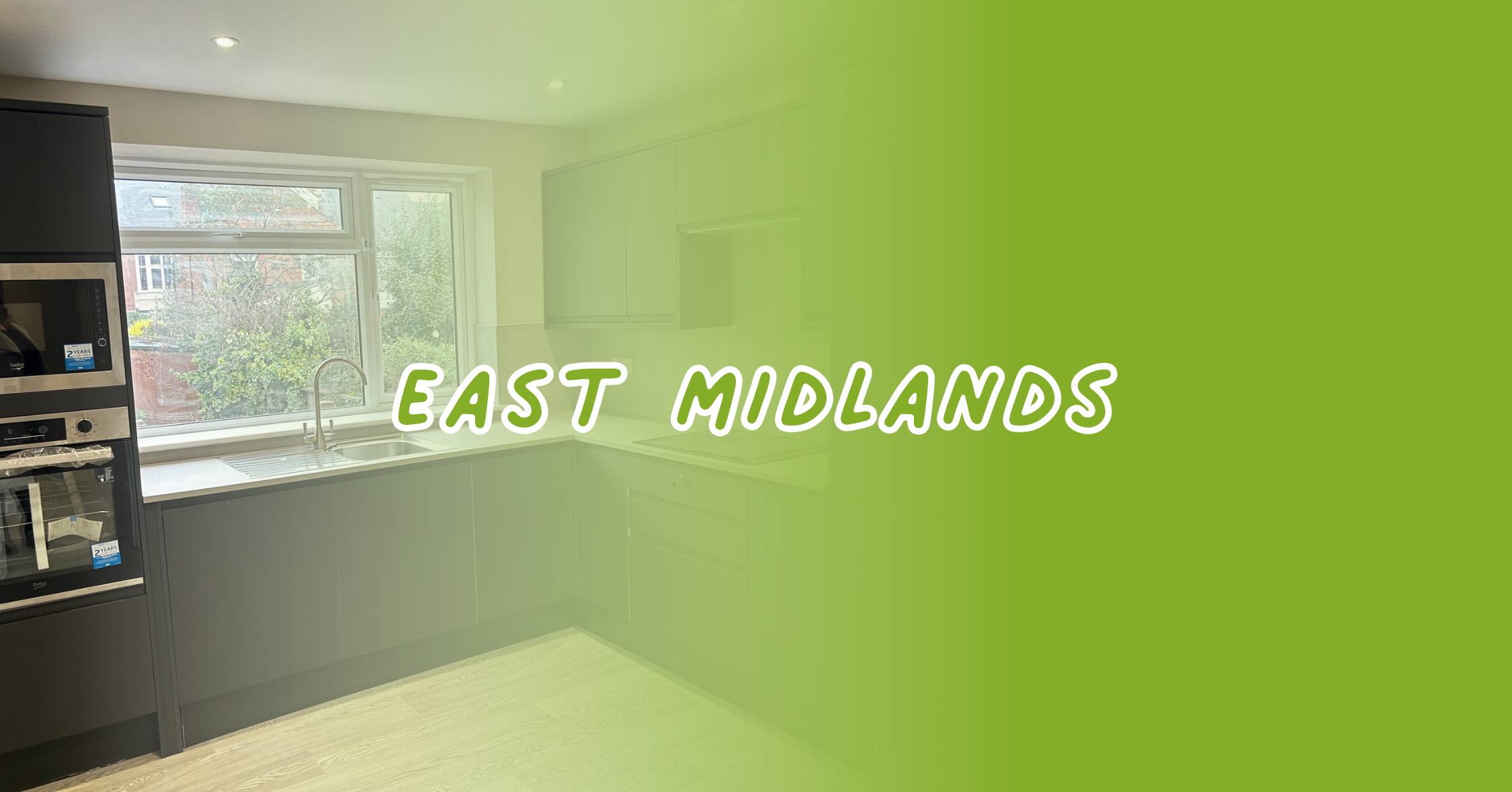
East Midlands

iBC offers supported living services across the East Midlands such as Central Leicester, Rothley, Glenfield, Coventry and more. We provide ...

This service supports people with complex care and support needs such as:
  • Autism/ASC
  • Behaviours That Challenge
  • Communication Difficulties
  • Mental Health
  • Profound & Multiple Learning Disabilities

North Midlands

Our supported living portfolio across the North Midlands, cover areas such as Nottinghamshire, Derbyshire, Sheffield, Rotherham and Doncaster. These services ...

This service supports people with complex care and support needs such as:
  • Autism/ASC
  • Behaviours That Challenge
  • Communication Difficulties
  • Mental Health

West Midlands

Our supported living portfolio across the West Midlands, currently cover areas such as Worcestershire, Birmingham and Staffordshire. These services offer ...

This service supports people with complex care and support needs such as:
  • Autism/ASC
  • Behaviours That Challenge
  • Mental Health
  • Profound & Multiple Learning Disabilities