Working Together for Better Outcomes: iBC Healthcare and Staffordshire & Stoke-on-Trent ICB
At iBC Healthcare, transparency and partnership are not just words, they shape how we work with commissioners every day. Our involvement in a national CareCubed case study is a reflection of exactly that.
When Staffordshire and Stoke-on-Trent Integrated Care Board (ICB) began exploring how to bring greater consistency and evidence to their commissioning decisions, iBC Healthcare was the first provider they turned to. What followed was a genuine collaboration, one that improved outcomes for the people we support, strengthened our working relationship with the ICB, and demonstrated what good commissioning practice can look like in action.
Building something together
CareCubed is a nationally recognised cost benchmarking tool used by both commissioners and providers to support transparent, evidence-led conversations about care costs and package design. Neither iBC nor the ICB had used it before and that shared starting point made all the difference.
We undertook training together. We worked through real cases side by side. And as Tracy Hammond-Morrall, iBC Regional Manager, put it:
“In the sector, we want to make sure that care is right-sized. We also want to make sure that staff are trained and invested in, so it is important to find that balance and CareCubed has helped facilitate conversations to make that possible.”
Tracy Hammond-Morrall, iBC Regional ManagerThat environment of mutual learning built real trust. Difficult questions could be asked. Data could be examined without defensiveness. And both parties could focus on what mattered most: the right outcome for each individual.
Getting it right for the people we support
One of the most powerful examples from this collaboration involved a Transforming Care patient on a discharge trajectory who had been assessed as needing four-to-one support. When the ICB and iBC sat down together with CareCubed to work through the package, they found that the rationale for a fourth support worker simply wasn’t there.
The package was redesigned. The person moved into a new home with the right level of support and their quality of life improved. In a second case, a similar process was followed with a resident in crisis. Since moving into the same setting, their support has stepped down from four-to-one, to two-to-one, and then to one-to-one, a clear sign of progress and growing independence.
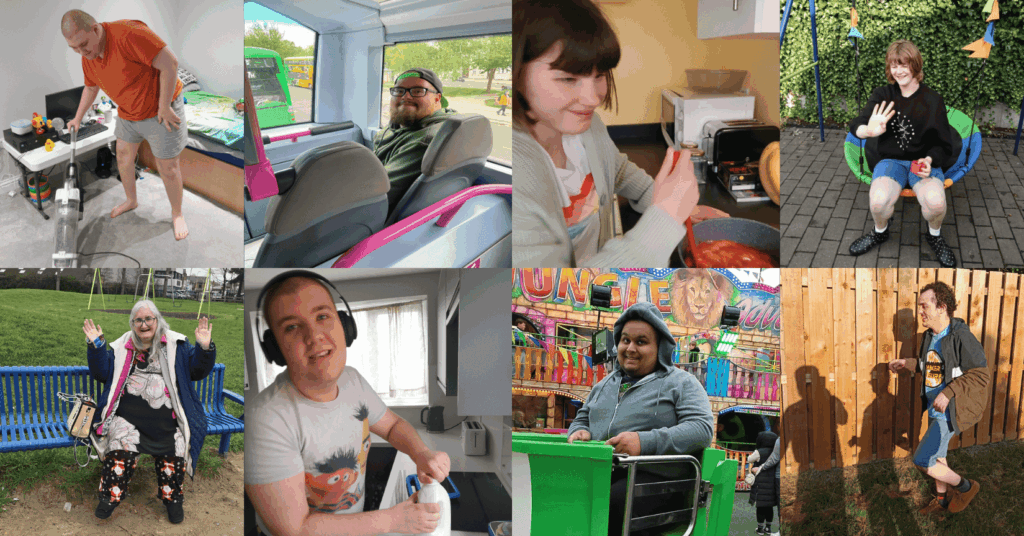
These are not just commissioning wins. They are stories of people gaining greater autonomy, settled in homes that work for them, with support that is genuinely tailored to their needs.
What this means for our workforce
For iBC, the process also brought clarity around staffing. Social care recruitment and retention remain significant pressures across the sector. CareCubed gave us a structured, person-centred way to examine where our staffing models were aligned and where they could be improved. Getting rotas right and matching staff to individual needs is not just about cost; it is about sustainability, consistency, and the quality of the relationship between the people we support and the teams around them.
The outcome – for everyone
Across the two cases featured in the CareCubed case study, right-sizing care packages delivered an annual saving of £364,000 without compromising quality. But equally important is what this collaboration built: a stronger, more transparent relationship between iBC and the ICB, grounded in shared data and shared accountability.
The ICB now uses this work as part of their internal training to demonstrate best practice in commissioning. And for iBC, it reinforced what we have always believed that when providers and commissioners are open with each other, everyone benefits, most of all the people at the centre of it all.
You can read the full case study, alongside others exploring innovation and best practice across the sector, at CareCubed’s case study library.